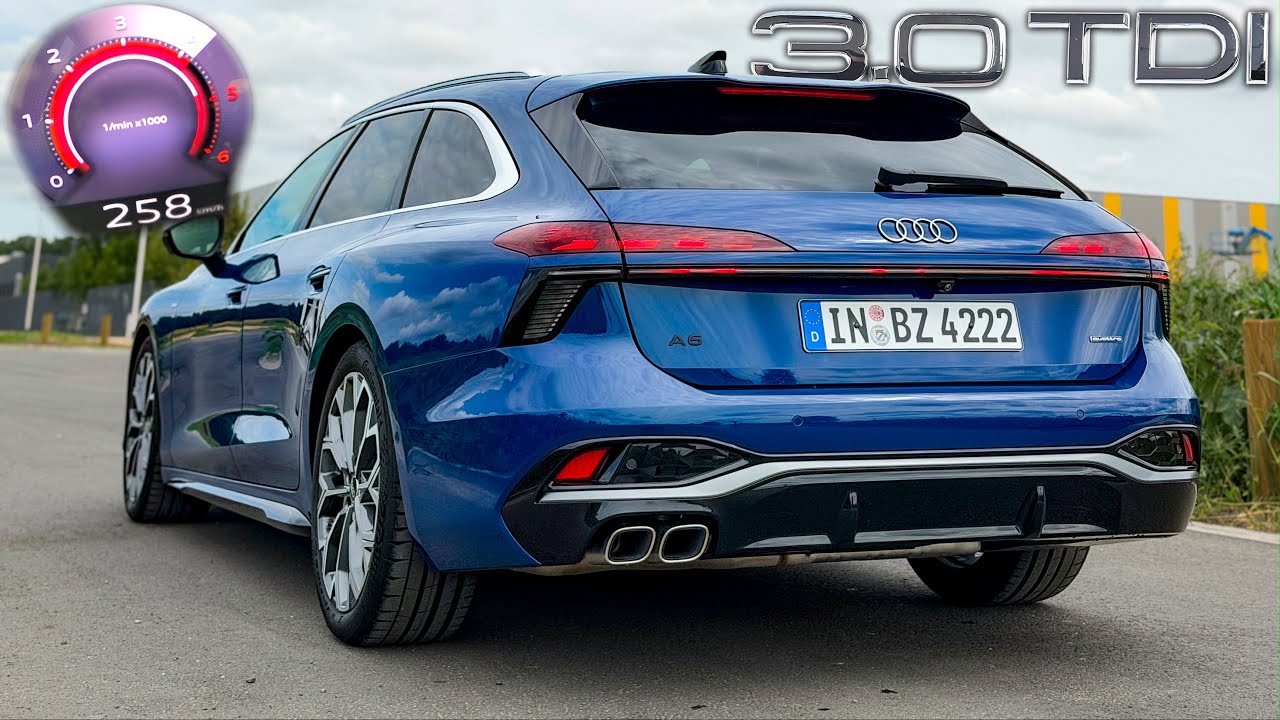

Audi Q3 2.0 TFSI — vehicle data
- Model year
- 2026
- 0-100 km/h
- 5.7 s
- Top speed
- 240 km/h
- Powertrain
- Hybrid
Figures are manufacturer or measured values as referenced in the video and our research.
Acceleration and Performance Insights
The 2026 Audi Q3 2.0 vs Audi ehybrid comparison highlights their acceleration capabilities. Both vehicles are tested for sound and performance in a head-to-head race.
The acceleration tests of the 2026 Audi Q3 2.0 TFSI and Audi ehybrid offer a fascinating look into the performance capabilities of these two models. With the Q3 being a compact premium SUV and the ehybrid representing Audi's hybrid technology, their acceleration metrics and sound characteristics are worth examining closely.
Audi Q3 2.0 Overview
The 2026 Audi Q3 2.0 TFSI is designed for those seeking a practical premium SUV with a sporty edge. With a powerful 265 hp generated from its 2.0-liter turbocharged petrol engine, the Q3 is well-suited for everyday driving and long-distance travel. It features quattro all-wheel drive and is equipped with a 7-speed S tronic transmission, delivering a 0-100 km/h time of just 5.7 seconds.
Key Specs
| Specification | Audi Q3 2.0 |
|---|---|
| Power (HP) | 265 |
| 0-100 km/h | 5.7 seconds |
| Top Speed (km/h) | 240 |
| Drivetrain | Quattro AWD |
Audi ehybrid Overview
On the other hand, the Audi ehybrid stands as a testament to Audi's commitment to hybrid technology, boasting a claimed power output of 272 hp. This model offers a smooth yet responsive driving experience, making it an appealing option for those who prioritize efficiency without sacrificing performance.
Key Specs
| Specification | Audi ehybrid |
|---|---|
| Power (HP) | 272 |
| 0-100 km/h | Not specified |
| Drivetrain | Hybrid AWD |
Acceleration Performance
In the acceleration tests, the Audi Q3 2.0 showcased its robust performance with a 0-100 km/h time of 5.7 seconds. The sound from the exhaust was noted as sporty and engaging, typical of Audi’s performance-oriented models. This compact SUV not only delivers practicality but also a thrilling driving experience.
Conversely, the ehybrid, while slightly more powerful at 272 hp, focuses on a smooth and quiet acceleration, emphasizing its hybrid technology. Although specific acceleration times were not detailed, its hybrid setup is designed for efficiency and responsive power delivery, making it suitable for urban driving as well.
Sound Character
When comparing the sound profiles, the Q3 2.0 delivers a sporty exhaust note that resonates well with driving enthusiasts. In contrast, the ehybrid prioritizes a quieter operation, aligning with its hybrid nature, which may appeal to buyers looking for a more serene driving experience.
Conclusion
Choosing between the 2026 Audi Q3 2.0 and the Audi ehybrid ultimately depends on the buyer's preferences. The Q3 2.0 is ideal for those who value sportiness and traditional performance characteristics, while the ehybrid offers a blend of power and efficiency for a more eco-conscious driver. Each model has its strengths, ensuring that Audi caters to a diverse range of automotive enthusiasts.